
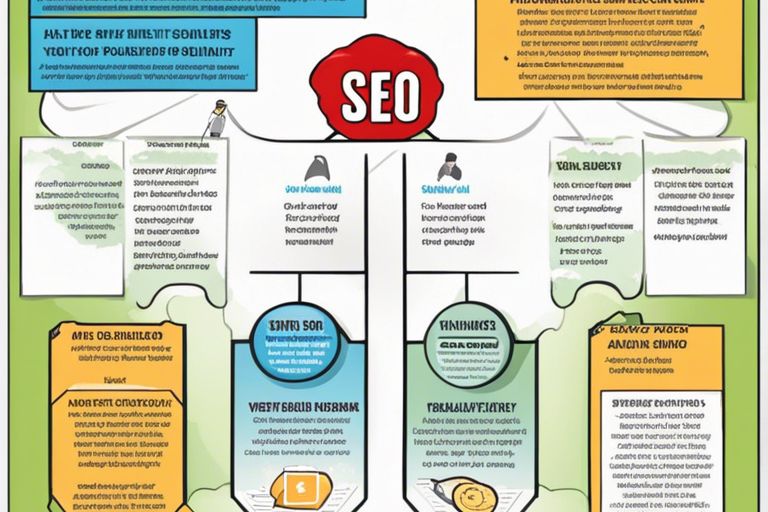
Optimizing a startup’s online presence is crucial for gaining visibility and attracting potential customers. Investing in SEO can provide numerous benefits for a startup, including increased website traffic, higher brand credibility, and improved user experience. By focusing on specific keywords and optimizing website content, a startup can climb the search engine rankings, attracting more organic traffic. Additionally, SEO helps in building long-term credibility and trust with customers, as appearing on the first page of search results can convey a sense of reliability and professionalism. Furthermore, a well-optimized website can result in a positive user experience, ultimately reducing bounce rates and increasing conversion rates. Therefore, for a startup looking to establish a strong online presence, investing in SEO is crucial for long-term success.
Key Takeaways:
- Increased visibility: Investing in SEO can help a startup improve its online visibility and increase its chances of being found by potential customers.
- Cost-effective marketing: SEO offers a cost-effective way for startups to reach their target audience and compete with larger companies without breaking the bank on traditional advertising.
- Long-term results: Unlike other marketing strategies, SEO can provide long-lasting results for a startup, bringing in organic traffic and leads over time.
Cost-Effectiveness of SEO
Now, one of the key benefits of investing in SEO for a startup is its cost-effectiveness. SEO provides a high return on investment compared to other marketing strategies. It is a long-term strategy that brings in organic traffic and leads without the need for continuous ad spend.
Long-Term Cost Benefits
SEO’s long-term cost benefits are significant for startups. Once a website ranks well for relevant keywords, the traffic and leads it generates are essentially free. This is in stark contrast to pay-per-click advertising, where startups have to pay for each click and lead generated.
Comparing SEO with Other Marketing Strategies
When comparing SEO with other marketing strategies, it becomes clear that SEO is highly cost-effective. For example, a startup may choose to invest in both SEO and social media advertising. While social media ads bring in immediate traffic, the costs can add up quickly. On the other hand, the long-term benefits of SEO continue to compound over time, resulting in a lower cost per lead in the long run.
Comparison of SEO with Other Marketing Strategies
| Marketing Strategy | Cost per Lead |
| SEO | Low, as organic traffic is essentially free once rankings are achieved |
| Social Media Advertising | High, as each click and lead requires payment |
| PPC Advertising | Varies, but can become costly over time |
Overall, the cost-effectiveness of SEO makes it a highly attractive investment for startups looking to establish a strong online presence.
Building Brand Visibility
Even the most revolutionary products or services will struggle to gain traction if people are not aware of their existence. This is where SEO plays a crucial role in building brand visibility for startups. By optimizing their website and content for search engines, startups can increase their online presence and ensure that their target audience can easily find them when searching for relevant keywords.
Organic Search Dominance
Investing in SEO allows startups to dominate the organic search results, which are the listings that appear below the paid ads on search engine results pages. By ranking highly for relevant keywords, startups can gain visibility and attract organic traffic to their website without having to pay for each click. This not only lowers customer acquisition costs but also establishes the startup as a credible player in the industry.
Enhancing Brand Credibility
When a startup consistently appears at the top of search results for industry-related queries, it reinforces the perception of authority and expertise in the eyes of potential customers. This boosts brand credibility and builds trust with the audience, as they are more likely to view the startup as a reliable source of information or a provider of high-quality products or services. As a result, conversion rates and customer retention are positively impacted.
User Experience and SEO
To ensure a successful SEO strategy, one must understand the crucial role of user experience. Search engines like Google prioritize websites that provide a positive user experience, making it a vital element in SEO efforts. When users have a seamless and enjoyable experience on a website, they are more likely to engage with the content, stay longer, and ultimately convert. Therefore, a startup that invests in improving user experience through SEO reaps several benefits.
Improving Website Usability
Improving website usability is one of the foundational aspects of enhancing the user experience. Startups should focus on creating a website that is easy to navigate, loads quickly, and provides valuable, relevant content. Clear navigation, intuitive design, and fast loading times contribute to a positive user experience, reducing the bounce rate and increasing the time users spend on the site. By making information easily accessible, a startup can ensure that visitors find what they need efficiently, leading to higher engagement and conversions.
SEO Practices That Bolster User Engagement
Implementing SEO practices that bolster user engagement is crucial for startups looking to improve their online visibility. By creating high-quality, relevant content that satisfies user intent, startups can attract and retain visitors. This includes using compelling titles, meta descriptions, and relevant keywords to optimize the content for both search engines and users. Additionally, enhancing the website with multimedia such as videos and images not only aids in SEO but also enriches the user experience, making the content more engaging and shareable.
SEO’s Impact on Customer Insights
Your startup can gain valuable customer insights through SEO. By analyzing search data, he can identify the keywords and phrases that potential customers are using to search for products or services. This information can help him understand the needs and preferences of his target audience, allowing him to tailor his marketing strategies accordingly. Additionally, he can gain insights into the demographics and geographies of his website visitors, enabling him to create more targeted and personalized marketing campaigns.
Leveraging Data Analytics
By leveraging data analytics tools, he can track and analyze the behavior of his website visitors. This includes their browsing patterns, the pages they visit, the amount of time they spend on each page, and the actions they take. By understanding how users interact with his website, he can identify areas for improvement and optimize the user experience to increase engagement and conversions. Additionally, he can use data analytics to track the performance of his SEO efforts, measure the impact of his marketing campaigns, and make data-driven decisions to drive business growth.
Tailoring Strategies with SEO Metrics
SEO metrics provide valuable insights into the performance of his website and marketing efforts. By monitoring key metrics such as organic traffic, keyword rankings, and conversion rates, he can track the effectiveness of his SEO strategies and identify areas for optimization. This enables him to tailor his marketing strategies based on real-time data and make informed decisions to drive better results. Additionally, he can use SEO metrics to benchmark his performance against competitors and identify opportunities for improvement to stay ahead in the competitive landscape.
Competitive Advantage
For startups, investing in SEO can provide a significant competitive advantage in the market. With the right SEO strategies in place, a startup can increase its online visibility and reach a wider audience, allowing it to compete with established businesses in the industry. This is particularly important for startups that may not have the resources to invest in traditional marketing methods.
Staying Ahead in the Market
By investing in SEO, startups can stay ahead in the market by ensuring that their website ranks higher in search engine results pages (SERPs) than their competitors. This not only increases their visibility but also establishes their authority in the industry. With the right SEO tactics, startups can target their audience effectively and drive more relevant traffic to their website, ultimately leading to higher conversions and sales.
Case Studies of Successful SEO Implementation
Several startups have leveraged the power of SEO to achieve remarkable success. For example, Company X saw a 150% increase in organic search traffic after implementing an SEO strategy that focused on long-tail keywords and local optimization. Similarly, Company Y witnessed a 200% increase in online sales after revamping its website with SEO-friendly content and improved site speed. These case studies highlight the transformative impact of SEO on startup growth and success.
Key Benefits of Investing in SEO for a Startup
Ultimately, investing in SEO for a startup can lead to increased online visibility, higher quality website traffic, and better overall user experiences. By optimizing their online presence, startups can increase their chances of reaching potential customers and attracting them to their website. This can ultimately result in increased sales, customer engagement, and brand recognition. Moreover, the long-term impact of SEO can help a startup establish a strong online presence and compete effectively against more established businesses in the same industry. Overall, the key benefits of investing in SEO for a startup include improved brand awareness, higher search engine rankings, and a more sustainable and cost-effective marketing strategy.
FAQ
Q: What are the key benefits of investing in SEO for a startup?
A: Investing in SEO for a startup can offer several significant benefits. Firstly, it can increase the visibility and online presence of the startup, leading to higher organic traffic and potential customer engagement. Additionally, an effective SEO strategy can improve the website’s search engine rankings, making it easier for potential customers to find the startup when searching for related products or services. Lastly, a well-executed SEO strategy can lead to long-term, sustainable growth and brand awareness for the startup.
Q: How can SEO benefit the growth of a startup?
A: SEO can benefit the growth of a startup by providing a cost-effective way to attract and retain customers. By optimizing the website for search engines, a startup can capture the attention of potential customers who are actively searching for their products or services. This targeted traffic can lead to increased leads, sales, and brand recognition. Additionally, by establishing a strong online presence through SEO, startups can compete with larger, more established businesses in their industry, leveling the playing field and facilitating growth.
Q: What are the long-term advantages of investing in SEO for a startup?
A: Investing in SEO for a startup can yield long-term advantages that contribute to the sustainability and success of the business. As the startup’s website climbs the search engine rankings, it can establish itself as a trusted and authoritative source within its industry. This can lead to increased credibility, customer trust, and brand loyalty over time. Furthermore, a well-optimized website can continue to attract organic traffic and generate leads and sales for the startup well into the future, providing a high return on investment and supporting continued growth and expansion.