
There’s no denying the power of visuals in branding and marketing, and with the advent of AI image generation, you can take your creative assets to the next level. In this post, you’ll discover five actionable steps to harness AI technology effectively, enabling you to create unique, eye-catching visuals tailored specifically for your business needs. From understanding the tools available to implementing them for maximum impact, you’ll learn how to elevate your brand with innovative imagery.
Key Takeaways:
- Utilize AI tools to streamline the process of generating visuals that are tailored to your brand’s identity, enhancing creativity and efficiency.
- Incorporate feedback loops in your image generation workflow to refine outputs and ensure alignment with your marketing objectives.
- Stay informed about emerging trends in AI technology to continuously evolve your visual content strategy and maintain competitive advantage.
Understanding AI Image Generation Fundamentals
Before you examine the world of AI image generation, it’s important to grasp its core principles. AI image generation uses algorithms, often based on deep learning, to create visuals from textual descriptions or existing images. By understanding how these models work, you can better leverage them to produce stunning visuals tailored to your specific needs. This knowledge allows you to harness the full potential of AI in transforming your business’s visual content.
Current AI Image Generation Tools
Image generation technology has evolved, providing you with various tools to create unique visuals. Platforms like DALL-E, Midjourney, and Stable Diffusion allow you to generate images through simple text prompts. These tools innovate traditional design processes, enabling you to produce graphics that align precisely with your vision. By exploring their functionalities and integrations, you can find the best fit for your creative projects.
Benefits for Business Applications
Against the backdrop of fierce competition, AI image generation offers numerous advantages for your business. This technology can significantly enhance your marketing efforts by producing custom marketing visuals faster and more cost-effectively than traditional methods. Additionally, it allows you to maintain a consistent brand identity by tailoring images to your specific themes and messages.
With AI image generation, you unlock the ability to experiment and innovate without the limitations of conventional design processes. This efficiency not only speeds up your project timelines but also allows for greater creativity, enabling you to produce a wider array of visuals that engage your audience. Imagine having the capability to generate personalized images for your campaigns in minutes! Ultimately, these tools not only save you time and resources but also elevate the overall quality of your business’s visual content.
Defining Your Visual Strategy
Even as AI-generated images transform the creative landscape, having a clear visual strategy remains necessary for your brand’s success. By outlining your objectives, understanding your audience, and aligning visuals with your brand’s messaging, you can create a cohesive visual identity that resonates with your target market. This approach not only enhances brand recognition but also strengthens your overall marketing efforts.
Identifying Brand Style and Guidelines
On your journey to creating unique visuals, it’s vital to identify your brand’s style and guidelines. Establishing a consistent aesthetic—through color palettes, typography, and imagery—ensures that all visuals align with your overall brand image. This consistency helps your audience connect with your brand and builds trust over time.
Setting Clear Visual Objectives
Above all, setting clear visual objectives is a powerful way to guide your AI image generation process. Defining what you want to achieve allows you to create targeted visuals that engage your audience and fulfil specific marketing goals. Whether it’s increasing brand awareness, driving conversions, or enhancing customer experience, clear objectives pave the way for effective visual content.
Style is an integral component when establishing your visual objectives. By identifying what type of imagery resonates with your audience, you can craft visuals that not only capture attention but also communicate your brand’s message effectively. Consider using tools like mood boards or style guides to clarify your vision, which will streamline the creative process and lead to more impactful AI-generated images aligned with your goals.
Mastering Prompt Engineering
Once again, the ability to craft effective prompts is vital for harnessing AI image generation technology. By mastering prompt engineering, you can significantly influence the quality and uniqueness of the visuals produced. This chapter will guide you through strategies that enable you to articulate your ideas clearly and effectively, ensuring that the generated images align with your business goals.
Writing Effective Prompts
Beside clear imagery, your prompts need to be specific and detailed. Focus on using descriptive language that conveys the style, mood, and desired elements of the image. The more precise you are about what you want, the better the AI will understand your vision and deliver a final product that meets or exceeds your expectations.
Incorporating Brand Elements
Elements of your brand, such as colors, logos, and themes, should be seamlessly integrated into your prompts. This ensures that the images generated resonate with your brand identity and maintain visual consistency across all platforms.
But incorporating brand elements goes beyond just adding your logo or colors. You should think about the overall aesthetic of your brand and how it translates into visuals. Consider characteristics such as your brand’s tone—whether it’s playful, sophisticated, or bold—and specify these in your prompts. This allows the AI to create images that not only reflect your visual identity, but also effectively engage your target audience, reinforcing brand recognition and loyalty.
Optimizing Generated Images
All businesses can benefit from optimizing AI-generated images to ensure they align perfectly with their brand identity and vision. By refining these images, you can enhance their overall appeal and make a lasting impression on your audience. This process involves adjusting color schemes, adding logos, and fine-tuning visual elements to create a cohesive image that resonates with your target market.
Editing and Refinement Techniques
An effective way to improve AI-generated images is through editing and refinement techniques. You can use software tools to adjust brightness, contrast, and saturation to bring out the best aspects of your images. Additionally, cropping and resizing can help you focus on specific elements, allowing you to create tailored visuals that meet your needs and preferences.
Quality Control Standards
The importance of quality control standards in image generation cannot be overstated. Establishing clear guidelines will help you maintain consistency and ensure that every visual aligns with your branding strategy.
Generated images should meet specific quality benchmarks tailored to your business’s needs. Evaluate factors such as resolution, clarity, and aesthetic appeal, as these elements significantly influence how your audience perceives your brand. Implement periodic reviews and feedback loops to ensure generated visuals consistently align with your vision and overall marketing objectives. This structured approach contributes to building a strong, recognizable brand through high-quality visuals.
Implementation Workflow
Despite the potential complexities, establishing a structured implementation workflow for AI image generation is straightforward. Begin by defining your visual needs and objectives, then select the appropriate AI tool that aligns with your goals. Follow this by incorporating image generation into your creative processes, ensuring that you test various approaches. Finally, review and optimize your workflow to maximize efficiency and quality, paving the way for unique visual assets that enhance your brand.
Integration with Existing Content
Before you investigate AI image generation, assess your current content strategy to identify how new visuals can enhance your existing materials. By seamlessly integrating AI-generated images into your blogs, social media posts, and marketing campaigns, you can maintain consistency in your brand identity while presenting fresh and engaging visuals that captivate your audience.
Asset Management Systems
To effectively utilize AI-generated visuals, it’s important to implement robust asset management systems that allow you to organize, store, and retrieve your images efficiently. These systems can streamline your workflow and ensure that your creative assets remain accessible and well-categorized.
For instance, utilizing a digital asset management (DAM) system can improve your ability to manage both existing and new AI-generated visuals. These platforms enable you to tag, sort, and categorize images based on various criteria, such as project relevance or content type. You’ll find it easier to locate the right visuals when needed, leading to enhanced productivity and a more cohesive presentation of your brand assets across different platforms.
Legal and Ethical Considerations
Unlike traditional art forms, AI-generated images raise complex legal and ethical questions that you must navigate. This includes understanding who holds the rights to images created by AI and ensuring that your usage complies with copyright regulations. Being informed can help protect your business from potential legal pitfalls and foster a responsible approach to the innovative use of this technology.
Copyright and Ownership
About AI image generation, the issue of copyright and ownership can be intricate. Generally, the ownership of AI-generated images may depend on the software’s licensing agreements and the inputs provided by users. You need to familiarize yourself with these terms to know who retains the rights to your images and how you can legally use them in your business.
Responsible AI Usage
Behind the allure of AI-generated visuals, responsible usage is important to maintain ethical standards. As you incorporate AI into your projects, consider the societal impacts, including the potential for bias in image generation. It’s important to critically evaluate the images produced and ensure that they reflect your brand’s values and respect diverse perspectives.
This awareness not only promotes ethical standards but also enhances your brand’s reputation. By actively choosing to generate and use images that are respectful and inclusive, you demonstrate your commitment to social responsibility. Engaging thoughtfully with AI technologies will ultimately lead to more authentic and meaningful visuals, benefiting both your brand and the broader community.
Conclusion
The journey to creating unique visuals for your business using AI image generation is both exciting and rewarding. By following the five steps outlined, you can enhance your brand’s visual identity and engage your audience effectively. Embrace the potential of AI tools to turn your ideas into captivating images that resonate with your target market. As you implement these strategies, you will discover new ways to elevate your business, making your offerings stand out in a competitive landscape.
Q: What are the key benefits of using AI image generation for my business visuals?
A: Leveraging AI image generation offers several advantages. First, it significantly reduces time and costs typically associated with traditional image creation methods. Businesses can generate high-quality visuals quickly, allowing for faster project turnaround times. Additionally, AI tools can help tailor designs to align with specific branding needs, ensuring consistency across marketing materials. Finally, AI can produce a wide variety of styles and concepts, enabling businesses to explore creative avenues that might not have been feasible with conventional methods.
Q: What are the five important steps to utilize AI for creating unique visuals effectively?
A: The five important steps include:
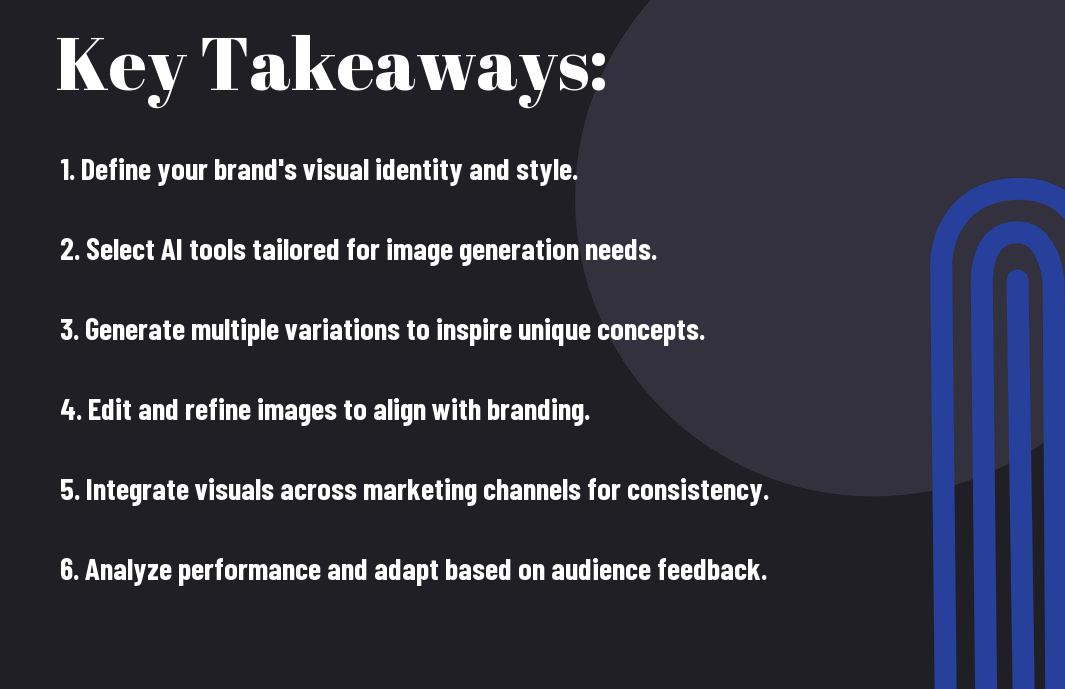
1. Define Your Goals: Begin by identifying what you want to achieve with your visuals, such as enhancing brand recognition or conveying specific messages.
2. Choose the Right AI Tool: Select an AI image generator that suits your business needs and offers features aligned with your goals.
3. Input Quality Prompts: Crafting clear and descriptive prompts is vital. Provide specific details about your desired style, subject matter, and context.
4. Refine and Edit Outputs: Once the AI generates images, leverage editing tools to make adjustments. This could involve tweaking colors, texts, or layouts for better alignment with your brand.
5. Test and Iterate: Gather feedback from your target audience or team. Use insights gained to adjust your approach and improve future AI-generated visuals.
Q: Are there any limitations or challenges to consider when using AI for image generation?
A: While AI image generation has many benefits, there are challenges to consider. One limitation is the potential lack of nuance and originality in some AI outputs, which may require additional human intervention for refinement. Additionally, businesses must remain cautious about copyright and usage rights concerning AI-generated images. Ensuring proper attribution and compliance with platform policies is important. Lastly, reliance solely on AI may lead to missed opportunities for authentic creativity, so integrating human creativity into the process can lead to more distinctive and engaging visuals.