

Fostering a successful startup entails navigating through various perilous and pivotal stages of development, and leveraging the power of social media can significantly contribute to the trajectory of your venture. By implementing a strategic approach to social media, you can effectively amplify your startup’s progress, from generating initial launch buzz to devising sustained growth and customer retention strategies.
In this informative blog post, we’ll delve into the intricate process of a startup’s development, elucidating the pivotal stages and demonstrating how a savvy and strategic approach to social media can provide invaluable support and enhancement throughout the journey. We’ll highlight the inherent risks and opportunities present in each phase, while providing actionable insights into leveraging social media to drive positive results at every turn.
Key Takeaways:
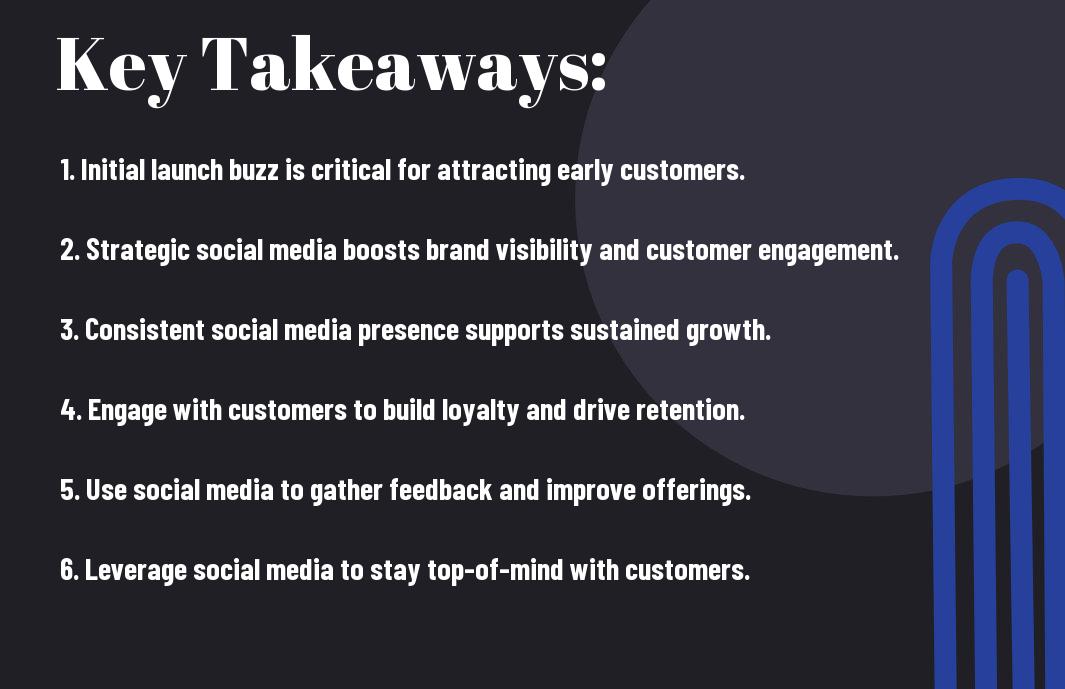
- Focus on crucial startup stages: It is essential to prioritize the crucial stages of a startup’s development, such as the initial launch, sustained growth, and customer retention strategies, to ensure long-term success and scalability.
- Strategic approach to social media: Utilizing a strategic approach to social media can support and amplify these phases by creating buzz during the initial launch, engaging and retaining customers throughout sustained growth, and nurturing relationships for long-term retention.
- Importance of timing and consistency: Timing and consistency are key factors in utilizing social media for startup development, as being present during crucial stages and consistently engaging with the audience can significantly impact the success of the business.
Laying the Foundation
While a startup’s development is an exciting and dynamic process, it is essential to lay a strong foundation to ensure long-term success. This involves defining your brand and target audience, creating a strategic social media plan, and considering legal and ethical considerations on social networks.
Defining Your Brand and Target Audience
Audience research is crucial at this stage as it helps you understand who your potential customers are and what they are looking for. By clearly defining your brand identity and values, you can effectively communicate with your target audience and differentiate yourself from competitors. Understanding your target audience allows you to tailor your messaging and content to better resonate with them, ultimately leading to stronger connections and higher engagement.
Creating a Strategic Social Media Plan
On social media, a strategic approach is essential to maximize your startup’s visibility and engagement. This involves setting clear objectives, identifying the most relevant social media platforms for your target audience, and developing a content strategy that aligns with your brand and resonates with your audience. The strategic use of hashtags, influencer partnerships, and paid advertising can further amplify your reach and impact.
The development of a strategic social media plan is not a one-size-fits-all solution and requires consistent monitoring, evaluation, and adaptation. By analyzing data and engagement metrics, you can continuously optimize your social media strategy to drive sustained growth and customer retention.
Legal and Ethical Considerations on Social Networks
Targeting the right audience is important, but it’s equally crucial to comply with legal and ethical considerations on social networks. This includes protecting user data privacy, adhering to advertising regulations, and maintaining transparency in your communications. Ignoring these considerations can not only damage your startup’s reputation but also lead to legal repercussions.
To safeguard your startup and build trust with your audience, it’s essential to stay informed about the latest legal and ethical guidelines and integrate them into your social media practices. This proactive approach will not only protect your startup from potential risks but also demonstrate your commitment to integrity and professionalism.
Pre-Launch Strategies
For a startup, the pre-launch stage is crucial for creating anticipation, awareness, and setting the stage for a successful launch. It is the time to build a strong foundation for your startup’s presence and establish connections with early adopters and potential customers.
Building Anticipation and Awareness
Any successful pre-launch strategy begins with building anticipation and awareness around your products and brand. Creating a buzz through social media platforms, teaser campaigns, and sneak peeks can help generate excitement and interest among your target audience. Utilize relevant hashtags, storytelling, and visual content to create a compelling narrative that intrigues potential customers and draws them in.
Engaging with Early Adopters
Strategies to engage with early adopters during the pre-launch stage can involve offering exclusive sneak peeks, beta testing opportunities, and seeking feedback to make them feel valued and part of the journey. Building a community around your brand can create a sense of belonging and loyalty among early adopters, laying the groundwork for their continued support and advocacy.
To leverage the enthusiasm of early adopters, consider creating a referral program to encourage them to spread the word and bring in more potential customers. Engaging with early adopters in a meaningful way can lead to valuable insights and feedback that can shape your products and personas moving forward.
Influencer Partnerships and Network Effects
The strategic use of influencer partnerships and network effects can be a powerful tool in building anticipation and awareness around your startup. Collaborating with influencers who resonate with your target audience can help to amplify your message and reach a wider network of potential customers. The network effects created through influencer partnerships can generate momentum and a buzz that sets the stage for a successful launch.
Early engagement with influencers and leveraging their reach can create a domino effect, spurring organic conversations and interest around your brand. The influence of these partnerships can result in a ripple effect, reaching a larger audience and establishing a solid foundation for sustained growth and customer retention.
Launch Phase
Now, as a startup enters the launch phase, it is essential to create buzz and anticipation for the products and personas that will be introduced to the market. This is the time to captivate the attention of the audience and generate excitement about the company’s subjects. A strategic approach to social media can play a crucial role in amplifying the launch phase and setting the stage for sustained growth and customer retention strategies.
Coordinated Social Media Campaigns
On the crucial launch phase, coordinated social media campaigns are imperative to ensure a consistent and impactful message across platforms. By aligning the messaging and content across products, personas, and subjects, a startup can effectively reach a wider audience and generate a higher level of engagement. With a strategic approach to social media, startups can optimize their reach and drive traffic to their launch events.
Leveraging Launch Events Through Social Media
Events play a pivotal role in the launch phase of a startup, and leveraging these events through social media can amplify their impact. For instance, live streaming the launch event on social media platforms can generate real-time engagement and feedback from the audience. By utilizing hashtags and encouraging attendees to share their experiences on social media, startups can extend the reach of their launch events and create a buzz around their products, personas, and subjects.
Real-Time Engagement and Customer Feedback
On the launch phase, real-time engagement and customer feedback are invaluable for startups to gauge the initial response to their products, personas, and subjects. Coordinated efforts across social media platforms to respond to customer inquiries and feedback can build trust and loyalty. By actively listening to the audience and incorporating their feedback into the development process, startups can demonstrate their commitment to delivering a positive customer experience.
Post-Launch Growth
To ensure sustained growth and success after the initial launch phase, it is essential for startups to focus on scaling their social media presence, developing content strategies for engagement and virality, and utilizing analytics for targeted growth.
Scaling Your Social Media Presence
To continue the momentum gained from the launch, startups need to scale their social media presence across various platforms. This includes increasing the frequency of posts, diversifying content formats, and expanding outreach efforts to reach a broader audience. Additionally, partnering with influencers and relevant industry partners can help amplify reach and engagement, solidifying the brand’s presence in the market.
Content Strategies for Engagement and Virality
Scaling the startup’s social media presence requires a strategic approach to content creation. By focusing on creating high-quality, shareable content that resonates with the target audience, startups can cultivate a community of engaged followers. Implementing a mix of informative, entertaining, and interactive content can foster virality, leading to increased brand awareness and organic growth.
With the right content strategies in place, startups can actively engage and interact with their audience, driving meaningful conversations and creating brand advocates. By consistently monitoring and refining content performance through analytics, startups can ensure that their social media efforts are effectively contributing to sustained growth and customer retention.
Utilizing Analytics for Targeted Growth
Social media analytics play a crucial role in identifying trends, understanding audience behavior, and optimizing content strategies. By leveraging analytics tools, startups can gather valuable insights to inform decision-making, refine targeting, and optimize content for maximum impact. This data-driven approach enables startups to allocate resources effectively, identify growth opportunities, and measure the success of their social media strategies in real-time.
Strategies that leverage social media analytics to inform targeted growth efforts enable startups to adapt and pivot quickly, ensuring that they are consistently aligned with their audience’s evolving needs and preferences. By prioritizing data-driven insights, startups can optimize their social media presence for sustainable growth and long-term success.
Sustained Expansion
Your startup has experienced initial success and is now focused on sustained expansion. This phase is crucial for long-term growth and profitability. A strategic approach to social media can support and amplify this phase, helping to build brand loyalty, foster community, and manage reputation and crisis on social platforms. Here are some key strategies to consider during this crucial stage of your startup’s development.
Social Media for Brand Loyalty and Community-Building
Social media platforms provide an excellent opportunity to build and maintain brand loyalty, as well as foster a sense of community among your customers. By consistently engaging with your audience and providing valuable, relevant content, you can strengthen your brand’s connection with your customers and encourage repeat purchases. Encouraging user-generated content and creating a sense of exclusivity can further solidify the community around your brand.
Collaborations and Cross-Promotions
One effective way to expand your reach and tap into new customer markets is through collaborations and cross-promotions with other businesses or influencers. By partnering with like-minded brands, you can leverage each other’s audiences and create mutually beneficial promotions or campaigns. This can help increase brand exposure, drive sales, and foster a sense of loyalty among both sets of customers. Collaborations and cross-promotions can also bring fresh perspectives and new ideas to your brand, injecting energy and creativity into your marketing efforts.
Loyalty, collaboration, sustained expansion, social media, brand loyalty, community-building, reputation, crisis management
Managing Reputation and Crisis on Social Platforms
CommunityBuilding in a crisis on social media platforms is crucial for protecting your brand’s reputation and maintaining customer trust. In the age of instant information sharing, a negative event or complaint can quickly escalate into a full-blown crisis. By actively monitoring social media conversations and responding promptly and transparently to any issues, you can demonstrate your commitment to customer satisfaction and potentially turn a negative situation into a positive one. Additionally, proactive reputation management can help prevent potential crises and maintain a positive brand image.
To effectively manage reputation and crisis on social platforms, it’s important to have a well-defined crisis management plan in place. This should include clear protocols for monitoring social media channels, responding to negative feedback, and escalating issues when necessary. By taking a proactive approach to managing reputation and crisis, you can safeguard your brand’s image and maintain the trust and loyalty of your customer base.
Customer Retention and Advocacy
Despite the excitement of acquiring new customers, the real value lies in retaining them and turning them into loyal advocates for your startup. Customer retention is crucial for sustainable growth, and social media can be a powerful tool in nurturing these long-term relationships.
Social Media Tactics for Retention
An effective strategy for retaining customers through social media involves maintaining a consistent online presence, engaging with customers, and providing valuable content and resources. This can include personalized interactions, responding to customer inquiries, and sharing relevant news and updates. By staying connected with your customers through social media, you can build and maintain strong relationships, ultimately leading to improved loyalty and retention.
Turning Customers into Brand Advocates
Advocacy programs are designed to encourage satisfied customers to promote your brand to their networks. By leveraging social media, you can empower your customers to share their positive experiences and recommendations, expanding your reach and credibility. With the right strategy in place, your satisfied customers can become your most valuable advocates, driving organic growth and influencing their peers to engage with your startup.
With a strategic approach to social media, you can turn your satisfied customers into brand advocates, extending the reach of your startup and fostering a community of loyal supporters. By implementing effective advocacy programs and leveraging the influence of social media, you can harness the power of word-of-mouth marketing and create a network of loyal brand advocates.
Reward Programs and Exclusive Social Promotions
One way to incentivize customer retention and advocacy is through reward programs and exclusive social promotions. By offering special discounts, loyalty rewards, and exclusive access to events or content, you can encourage customers to remain engaged with your startup and become advocates for your brand. These incentives can create a sense of exclusivity and appreciation, strengthening the bond between your startup and its customers.
Turning customers into brand advocates is essential for sustainable growth and success. By implementing reward programs and exclusive social promotions, you can drive customer loyalty and encourage advocacy through social media, ultimately amplifying the impact of your startup’s presence in the market.
Innovating and Adapting
Keep innovating and adapting in order to stay ahead of the competition and meet the ever-changing needs of your target audience. As a startup, it’s crucial to continuously refine your social media strategies to ensure sustained growth and customer retention. Customer Retention Strategies for Startups are essential for long-term success, and a strategic approach to social media can greatly support and amplify these efforts.
Staying Ahead of Social Media Trends
On social media, trends can change in the blink of an eye. It’s essential for startups to stay ahead of these trends in order to maintain relevance and engagement with their target audience. Keep a close eye on emerging platforms, content formats, and engagement tactics, and be willing to experiment with new approaches to stay ahead of the curve.
On the other hand, it’s important not to chase every trend blindly. Staying true to your brand and overall marketing objectives should always be the priority, so carefully evaluate which trends align with your brand and audience before jumping on the bandwagon.
Integrating New Technologies and Platforms
On the technological front, startups must be proactive in integrating new platforms and technologies into their social media strategies. Whether it’s leveraging AR/VR experiences, chatbots for customer service, or new social media features, staying ahead of the curve can lead to improved engagement and brand perception.
To stay ahead, startups should actively monitor industry developments and be willing to experiment with new technologies that can help them stand out in a crowded social media landscape. Being early adopters of beneficial technologies can give startups a competitive advantage and position them as innovators within their industry.
For more information on how startups can integrate new technologies and platforms into their social media strategies, check out Customer Retention Strategies for Startups.
Measuring Impact and ROI for Continued Improvement
Trends on social media can evolve rapidly, and it’s crucial for startups to measure the impact and ROI of their social media efforts to ensure continued improvement. Keep a close eye on key metrics such as engagement, conversion rates, and customer acquisition cost, and use these insights to refine and optimize your social media strategies.
This ongoing analysis and optimization are essential for startups to maximize the impact of their social media efforts and achieve sustainable growth. By understanding what’s working and what’s not, startups can make informed decisions and allocate resources more effectively for a better return on investment.
Conclusion
Following this examination of a startup’s crucial stages of development and the strategic use of social media, it is clear that leveraging social media can greatly enhance a startup’s success. From building initial launch buzz to sustaining growth and implementing effective customer retention strategies, a strategic approach to social media can be a powerful tool for startups. By utilizing the various social media platforms to engage with customers, increase brand visibility, and drive targeted traffic, startups can establish a strong online presence and ultimately, achieve sustainable growth and success.
It is important for startups to recognize the significance of effectively integrating social media into their overall business strategy. With the potential to reach a wide audience and connect with potential customers, social media can significantly impact a startup’s growth trajectory. By understanding and harnessing the power of social media, startups can position themselves for success and longevity in an increasingly digital world.
FAQ
Q: What are the crucial stages of a startup’s development?
A: The crucial stages of a startup’s development include the initial launch, gaining traction, sustaining growth, and customer retention. These stages are vital for the success and longevity of a startup.
Q: How can a strategic approach to social media support the initial launch buzz of a startup?
A: A strategic approach to social media can support the initial launch buzz of a startup by creating excitement and anticipation through teaser posts, engaging with early adopters, and leveraging influencer partnerships to reach a wider audience. This can help generate momentum and interest in the new startup.
Q: What role does social media play in sustained growth and customer retention strategies for a startup?
A: Social media plays a crucial role in sustained growth and customer retention for a startup by facilitating ongoing communication with customers, gathering feedback for product improvement, offering customer support, and showcasing success stories and testimonials. It also serves as a platform for targeted advertising and community building, which are essential for long-term success.